
If you’re thinking about hosting a fitness retreat in Crete, one of the first decisions you’ll need to make is when to go. Most people will naturally think of the middle of summer, but the best time of year will depend on what your guests actually want to do while they’re there.
For example, a retreat focused on outdoor sports such as running or cycling has very different requirements from a yoga teacher training. And whereas a writers’ retreat might benefit from being held when the island is at its quietest, a fitness retreat full of workouts, watersports and beach days will probably want warmer weather.
Crete’s long season gives retreat leaders plenty of options, and there isn’t necessarily one ‘best’ month. The question to ask is: which month best suits the experience you want to create?
Here’s what to consider throughout the year.

March & April: Great For Running, Cycling and Outdoor Training
If the focus of your retreat is endurance sport, hiking or spending a significant amount of time training outdoors, the months either side of summer would suit you really well.
For runners, cyclists and triathletes in particular, cooler conditions may likely be a great benefit to your group. If your guests are planning longer runs, challenging rides or multiple training sessions across the week, you probably don’t want to be doing them in the hottest part of a Greek summer.
Spring also gives you the opportunity to make Crete’s stunning landscape and scenery a key part of the retreat. So instead of structuring the day to avoid the midday heat, you have greater flexibility over when and where you train, and how long you spend outside.
The trade-off is that Crete is quieter at this time of year, and there may be limited direct flights from the UK and elsewhere in Europe. So travel logistics are something you’ll need to consider when deciding whether early spring is right for you and your group.
For a retreat where training itself is the priority, however, this season can be exactly what you want and need.
May & June: For a Bit of Everything
As spring moves closer to summer, Crete is a great location for a retreat that combines fitness and a beach holiday.
The days are warmer, the island becomes livelier, and you can start making more of the sea as the temperature rises. This time of year gives you plenty of flexibility when creating an itinerary: think a morning workout followed by time at the beach, with tonnes of opportunities for outdoor activities such as hikes, sea swimming and watersports.
For a PT or gym owner hosting their community for the first time, we’ve seen this time of year work particularly well. Your guests probably aren’t travelling to Crete solely to train; they’re likely coming because they want to spend time with you and your community, whilst simultaneously enjoying the island and having a break from day to day life .
You still need to think sensibly about when you schedule some of the more physically demanding workouts and activities, as the midday sun can become extremely hot, particularly as we head into June. So outdoor training sessions are best placed at the start or end of the day, with more relaxing activities such as a boat trip or a walk around Spinalonga being the perfect daytime outings.

July & August: The Summer Experience
July and August are the months most people picture when they think about a Greek island holiday: blue skies on clear blue sea, an abundance of sunshine, and long, warm evenings.
This time of year can be perfect if swimming, watersports, and beach days are central to your retreat experience. If your ideal itinerary involves long runs or demanding outdoor sessions in the middle of the day, it may not suit a large number of people.
This doesn’t mean you can’t run an active retreat in summer; it just means that the itinerary needs to reflect the season. Training sessions are best scheduled earlier in the morning, with the warmer parts of the day being used for recovery, beach time or individual downtime.
It’s also worth thinking about who is realistically joining your retreat before automatically choosing peak summer. These are popular months for family holidays, which can make availability more difficult for some guests, as well as flights likely being in greater demand and more expensive.
However, if what you’re looking for is the combination of movement and a warm, sunny summer holiday in the Med, that’s exactly what these months can offer.
September & October: Post-Summer Calm
The shoulder season is one of the best periods for retreat leaders because it can give you the best of many worlds.
The intensity of peak summer typically eases by mid-September, yet the weather often still lends itself to spending plenty of time outdoors. For active groups, it’s a great time to combine structured training sessions with outdoor activities, without having to build the entire itinerary around the summer heat.
It’s also great for the likes of yoga teacher training, coaching programmes and workshops, or other experiences that typically see longer periods of learning. You can likely still swim, hike and explore Crete, but you don’t necessarily need the atmosphere of peak holiday season around you.
The island has a slower pace during these months, but you still get to experience the destination itself without being potentially overwhelmed – or even limited – by the heat and summer crowds.
One thing to be mindful of, as with many other European destinations, is that the weather can be unpredictable during these months. The forecast may say sunshine, but it can quickly become overcast and windy – and even rainy - so it’s worth having multiple options for your itinerary to factor in any weather changes.
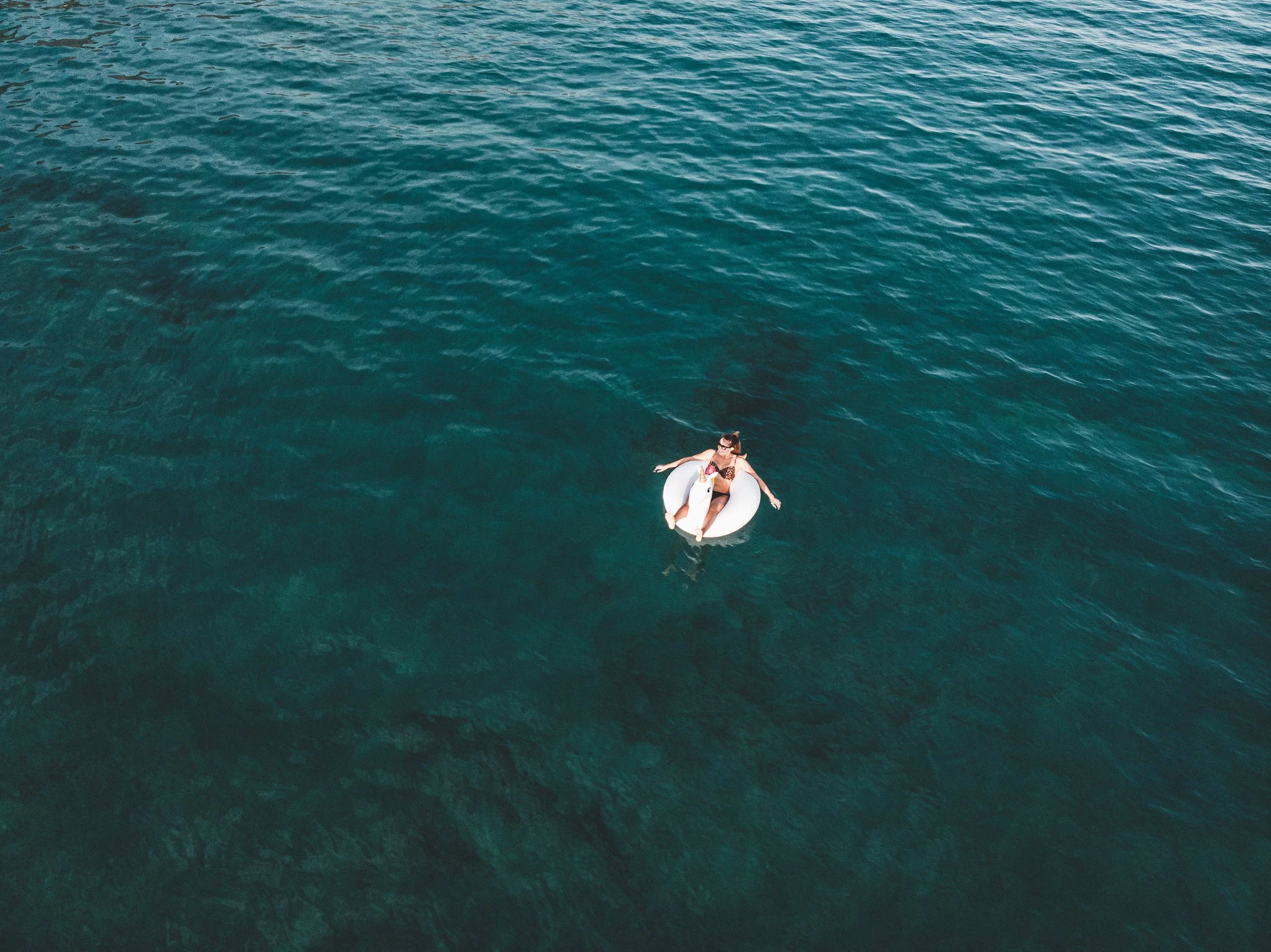
November to February: For Quiet Retreats
Winter in Crete offers something completely different, which is a large part of its appeal during this time.
If your retreat doesn’t depend on beach weather or an itinerary full of outdoor activities, hosting it outside of the traditional season can give you the opportunity to create something a world away from what is perceived to be a traditional retreat.
A writers’ retreat is the perfect example. If people are coming primarily because they want uninterrupted time to work, think and write, they may actively prefer visiting when there are fewer distractions. Crete still provides a change of scenery and environment, but the experience doesn’t depend on recreating a summer holiday.
The same could apply to creative retreats, strategy weeks or smaller groups where the purpose of travelling is to create some distance from daily life and concentrate on something specific.
This season does come with some compromises. Direct flights are likely to be limited, the weather can be unpredictable, and some businesses – including restaurants – may close or reduce their hours. For this reason, you need to be particularly confident that the destination and property can support the experience you’re promising.
But if peace and quiet is the main reason you’re travelling, off-season in Crete can offer you exactly what you need that you won’t find during peak season.
Retreat First, Season Second
Rather than deciding you want to host a retreat in Crete in June and building everything around that date, we recommend doing it the other way around.
Start by thinking about your community and what you want them to experience. If you’re hosting a retreat for triathletes who want to train seriously, the cooler months could give you far more flexibility for your sessions. If you’re taking your PT clients away for a week of workouts, adventure, good food and beach days, late spring through to early autumn may make more sense. If you’re running a teacher training programme that needs long periods of concentration, the post-summer calm could be the environment you’re looking for.
Consider the practical elements too: Where are your guests travelling from and what is the flight availability at that time? Are you looking to host during the school holidays whilst having a client base largely made up of parents? How much time do you want to spend outdoors? What local activities and businesses need to be operating for you to host your dream retreat?
This is also where local knowledge becomes particularly valuable. Looking at average temperatures online can tell you just one thing about a destination. It doesn’t tell you how a particular hiking route feels at a certain time of year, or which businesses and activities may only operate seasonally.
Thinking About Hosting Your Retreat in Crete?
At More Life Adventures, we can help you choose the time of year that works for the retreat you want to create, rather than simply giving you a list of available dates.
Whether you’re planning a fitness retreat, training camp, teacher training or something else, we’ll help with the destination, itinerary and logistics so you can concentrate on creating the best experience for your community.
Talk to us about bringing your next retreat to Crete.
Want More Articles Like This?
Sign up and be the first to receive news and updates!
