
Regardless of when or where you’re hosting your first retreat, one of the most important decisions you’ll make is choosing the right retreat centre. There is an abundance of beautiful properties in incredible destinations, but finding somewhere that can accommodate your group is quite different from finding somewhere that can help you deliver a successful retreat. Ultimately, you are looking for a partner in the venue you choose, rather than simply a place to stay and host your guests.
Depending on where you choose, you may find yourself responsible for every little thing including organising airport transfers, liaising with local vendors to arrange activities, managing dietary requirements, and coordinating the entire itinerary. That’s not necessarily a problem if you have experience organising group travel, but if your expertise is in coaching, fitness or teaching, you probably want to spend the week concentrating on your guests rather than managing the logistics.
There are also important financial considerations, particularly if you’re hosting your first retreat and don’t yet know how quickly the spaces will book up. Understanding things such as what’s included in the cost, if there’s a payment plan and how payments are structured, and what happens if your plans change, can save you considerable time and stress further down the line.
Having worked with retreat leaders to bring their communities away, we’ve put together ten questions we recommend asking before committing to a retreat centre.

1. What’s Included in the Retreat Package?
This should be one of your first questions because what’s included can vary enormously from venue to venue. Some properties provide accommodation and access to their facilities, leaving you responsible for organising meals, activities and transport, while others offer a more ‘all inclusive’ experience, as such.
Before comparing prices, make sure you understand exactly what you’re paying for, and if you’re actually comparing like for like. Things to understand:
Are all meals included?
Do you have access to training equipment and facilities?
Are excursions and activities part of the package, or will these need to be organised and paid for separately?
What about airport transfers and transport throughout the week?
A property with a lower initial price might seem more cost-effective at the outset, but might not necessarily be the more affordable option once you’ve added everything you need. Ideally, you want to understand the total all-in cost of delivering the retreat you have in mind, rather than simply the accommodation costs.
2. What’s the Capacity and Room Breakdown?
A property may profess to accommodate 20 people, but that doesn’t necessarily mean you can bring 20 paying guests. The room configuration matters just as much as – if not more than – the overall capacity, particularly if you’re expecting a mixture of solo travellers, friends or couples sharing rooms, and guests who prefer their own space.
Ask how many rooms are available, which ones can be configured as twins or doubles, whether single occupancy is possible, and whether the retreat leader’s accommodation is included within the advertised capacity. It’s also worth finding out whether you have to commit to the configuration from the outset, or if that can be confirmed further down the line once you understand what your guests are looking for.
Knowing all of this as early as possible will affect how you price your retreat and how many places you can realistically sell. If most of your community is likely to travel alone, for example, you’ll want to make sure that not only does the accommodation work for people who don’t want to share a room, but also that the solo occupancy rate still enables you to reach your target revenue.

3. Is Exclusive Hire Available?
Exclusive hire can make such a vast difference to the atmosphere of a retreat. However, it’s worth clarifying exactly what exclusive hire means. Questions to ask include:
Does your group have sole use of the entire property, including the pool, dining areas and training facilities?
Will there be any other guests in or around the venue at the same time?
If yes, do those other guests still have access to certain spaces?
Are there minimum guest numbers or additional costs associated with booking the property exclusively?
If exclusive hire isn’t possible, that doesn’t necessarily mean the property won’t work. But you’ll need to understand how the shared facilities operate and whether your group will have enough privacy and flexibility to deliver the experience you’re planning.
4. What Are the Training Facilities Like?
If you’re hosting a fitness retreat, you’ll want to know whether the property has the space and equipment required to deliver your training sessions. Rather than simply asking whether there’s a gym, we’d recommend finding out exactly what facilities and equipment are available and whether they’re suitable for the type of training you have planned.
Different coaches will have very different needs. For example, a yoga teacher might need a quiet, shaded space with enough room for everyone to move comfortably, while a strength and conditioning coach may need specific equipment and weights, plus suitable flooring. If you’re planning outdoor sessions, it’s also worth asking what alternatives are available if the weather changes.
We’d suggest requesting photographs and videos of the space, plus dimensions and a full equipment list before committing. You don’t want to arrive with a carefully planned programme only to discover that the training space isn’t suitable for your group.
5. Will You Help Me Plan the Itinerary?
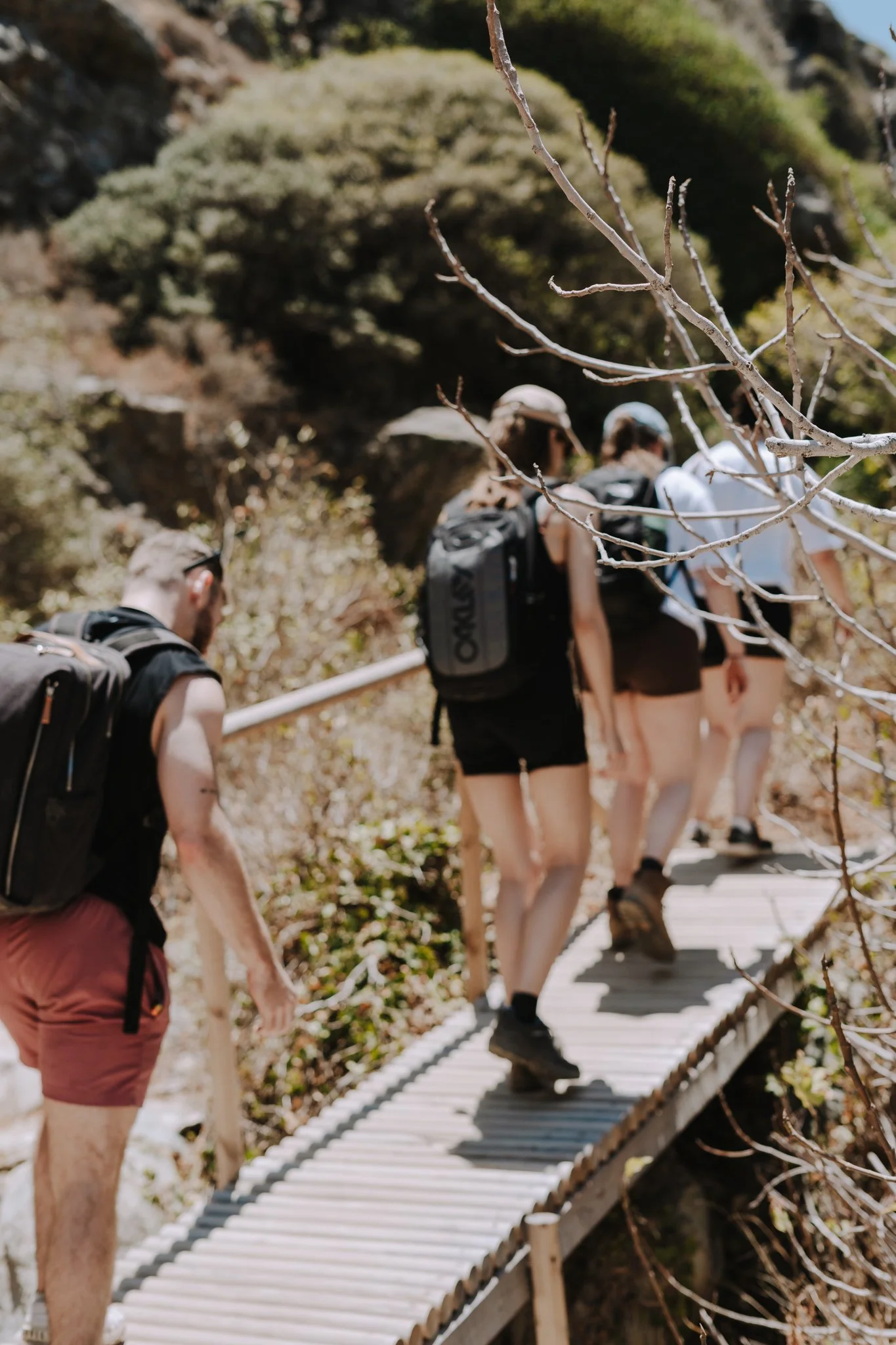
One of the most enjoyable parts of creating a retreat is deciding what your guests will actually do throughout the week. As a PT or coach, you’ve probably already got a good idea of the sessions you want to deliver, but you may be less familiar with the destination, the venue itself, and the activities available beyond the property.
It’s worth asking whether the retreat centre can help you create an itinerary, or if they’re expecting you to simply choose from a fixed list of activities. Picking a venue partner that knows the local area, and who has relationships with local vendors, can be incredibly useful and help you to create the overall itinerary that’s perfect for your group. For example, can they recommend local experiences? Are they able to advise on how much to fit into each day? Can they suggest how to balance physically demanding sessions with local opportunities for recovery?
Someone who knows the destination will understand how long activities take, which experiences work well together, and when you need to allow more time between sessions. If you are looking to create a retreat that feels seamless and balanced rather than leaving guests feeling exhausted, it’s incredibly valuable to have a venue partner that can help advise on these things if you’re not yet familiar with the destination.
6. Who Takes Care of the Logistics During the Retreat?
Even with a carefully planned itinerary, there will always be things that need coordinating once your guests arrive. There will be transfers that need confirming (and possibly changing at the last minute if plans change or overrun), restaurants that need to know when to expect your group, and certain activities may need adjusting based on the energy of the group or unexpected weather changes. Not to mention that guests will inevitably have questions throughout the week about what’s coming up later that day and tomorrow.
We highly recommend asking whether the retreat centre provides a dedicated host or concierge throughout your stay. It’s worth understanding exactly what that person is responsible for and whether they’ll be available to help with activities, transport and any changes that need to be made during the week.
There are ultimately two types of retreat centres you can partner with: the first being a property that provides accommodation and leaves you to manage everything else, and the second being a retreat company that takes responsibility for the experience. Your guests are travelling because they want to spend time with you, so ideally you should be able to focus on coaching and connecting with your community rather than organising the day-to-day logistics.

7. What Support Will You Provide to Help Me Sell My Retreat?
If you’re hosting your first retreat, marketing it to your community isn’t quite the same as marketing your usual classes or coaching services. You’re asking people to commit to several days away, potentially take annual leave, and spend considerably more than they would on their normal training.
Find out whether the retreat company provides marketing materials you can use when launching your trip. This might include professional photographs, videos, destination information, sample itineraries, or other content that helps your potential and future guests understand what they’re booking.
It’s also worth asking whether they offer guidance on how and when to promote the retreat. Having a beautiful property and an exciting itinerary is great, but communicating the value of the overall trip is what makes the difference. A retreat partner who has helped other coaches launch trips may be able to offer useful advice, particularly if this is your first time doing it.
8. What Are the Payment Terms?
The one thing that every first-time retreat leader should pay close attention to: the financial arrangements are non-negotiable to understand thoroughly before signing an agreement. Different retreat centres have very different payment structures, and some require substantial deposits to secure accommodation and dates before you’ve sold a single place.
Ask how much you need to pay upfront, when subsequent payments are due, and whether an instalment plan is available. You’ll also want to understand whether your payment deadlines line up with the booking and payment arrangements you’re planning to offer your guests.
For a first-time retreat leader, taking on a large financial commitment before you even know how many people will book can create a large amount of unnecessary pressure. Ideally, you want a payment structure that gives you enough time to promote the retreat and secure bookings without having to fund a significant portion of the trip personally.
9. What Happens if I Don’t Fill Every Place?
Even if you have a highly engaged community, there’s no guarantee that every place on your first retreat will sell. People may be overjoyed and appear keen to join when you first announce the trip, but then may find that the dates, cost or other commitments prevent them from actually booking.
Before committing to a property, make sure you understand what happens if you don’t reach your target guest numbers. Questions to ask include:
Am I financially responsible for every room I’ve reserved?
Is there a minimum number of guests required?
Is it possible to release unsold rooms by a certain date, or will I still be charged for them?
This is one of the most important questions to ask because the answer will determine how much financial risk you’re taking on. It also helps you establish how many bookings you realistically need for the retreat to be viable, rather than relying on the assumption that every available place will sell.
10. What Happens if I Need to Change My Dates?
Sometimes plans change, regardless of how far in advance you’ve organised everything. You might discover that your chosen dates don’t work for enough of your community, or circumstances outside of your control might mean you need to postpone the retreat.
Ask what flexibility exists if you need to move your booking:
Can your deposit be transferred to another date?
Are there deadlines for making changes?
Would you incur additional fees, and what happens if the alternative dates are priced differently?
It’s important to understand the difference between changing dates and cancelling altogether, as the terms may not be the same. Having this information upfront allows you to make a more informed decision and avoids discovering restrictions when you’re already financially committed.

Choosing the Right Retreat Partner
As a PT, coach or leader looking to host their first retreat, you very likely already understand your community. You know what motivates them and have a good idea of the experience you’d like to create. What you need from a retreat centre is the expertise, facilities and support to bring that experience to life and make it work.
At More Life Adventures, we work with retreat leaders to help bring their communities away to a beautiful destination, and support with everything from itinerary planning and marketing preparation to activities and logistics during the retreat itself. Our aim is to make the process as straightforward – and as financially viable – as possible so that you can concentrate on your guests and enjoy the experience alongside them.
Thinking About Hosting Your First Retreat?
If you’re considering hosting your first retreat, we’d love to hear from you and answer any questions you may have. Whether you’ve already got dates in mind or are just beginning to explore the idea, we can talk you through the options and help you understand what hosting a retreat with More Life Adventures could look like.
Get in touch to discuss hosting your retreat.
Want More Articles Like This?
Sign up and be the first to receive news and updates!
