
Most Personal Trainers and Coaches, once they’ve built up a loyal and consistent client base, will likely have thought about running a retreat. Workouts with great people in the sunshine, fresh nutritious food, a healthy balance of training and rest – what more could you want? If you’re a Personal Trainer, Coach or Leader, there’s a good chance the idea of taking your clients away has come up at some point.
Maybe you’ve already got a picture in your mind of exactly what it would be like to spend a week with your community somewhere completely different. Instead of squeezing conversations into the few minutes before or after a training session or class, you’d have the opportunity to get to know your clients on a more personal level and share experiences that go far beyond the gym. Think sharing the challenge of an island hike, spending an afternoon out on the water, or discovering the best food the destination has to offer; these kinds of new experiences for you and your clients together is simply unmatched.
Turning that idea into a successful retreat, however, takes more than finding a great destination and planning a few workouts. You need enough people who are willing to commit to the date and investment, plenty of time to sell the trip, an itinerary that factors in a multitude of things, someone looking after the logistics, and a financial model that doesn’t leave you taking on unnecessary risk.
There’s also a big difference between organising a holiday for a group of friends or clients, and creating an experience people are paying you to lead.
Beyond planning the itinerary, there are airport transfers to coordinate, dietary requirements to be aware of and communicate, restaurants and activities to book, and plenty of questions from guests. And all of these things aren’t necessarily just a pre-retreat concern. Lots can happen during a retreat that makes it all too easy to find yourself spending more time on retreat admin than actually enjoying time with your guests. Ideally, you want your guests to arrive feeling as though everything has been thought about, while you have the time to focus on delivering your sessions, spending quality time with people, and being part of the experience you’ve been dreaming of creating.
Having spent the past six years organising and hosting retreats, we’ve seen first-hand what works, what doesn’t, and the challenges that can arise. We know how much of a difference having the right support can make. We want every retreat leader we work with to feel confident about hosting their first retreat and, importantly, to enjoy the experience themselves. That’s why we believe these six things are so important to get right from the outset.
So, before you start building your itinerary or announcing dates to your community, these are the six things you need to create a successful first retreat. Don’t skip number six - this is arguably the most important and something we see first-time retreat leaders overlook, despite it potentially making the biggest difference to whether their retreat is financially viable.
1. An Established Community
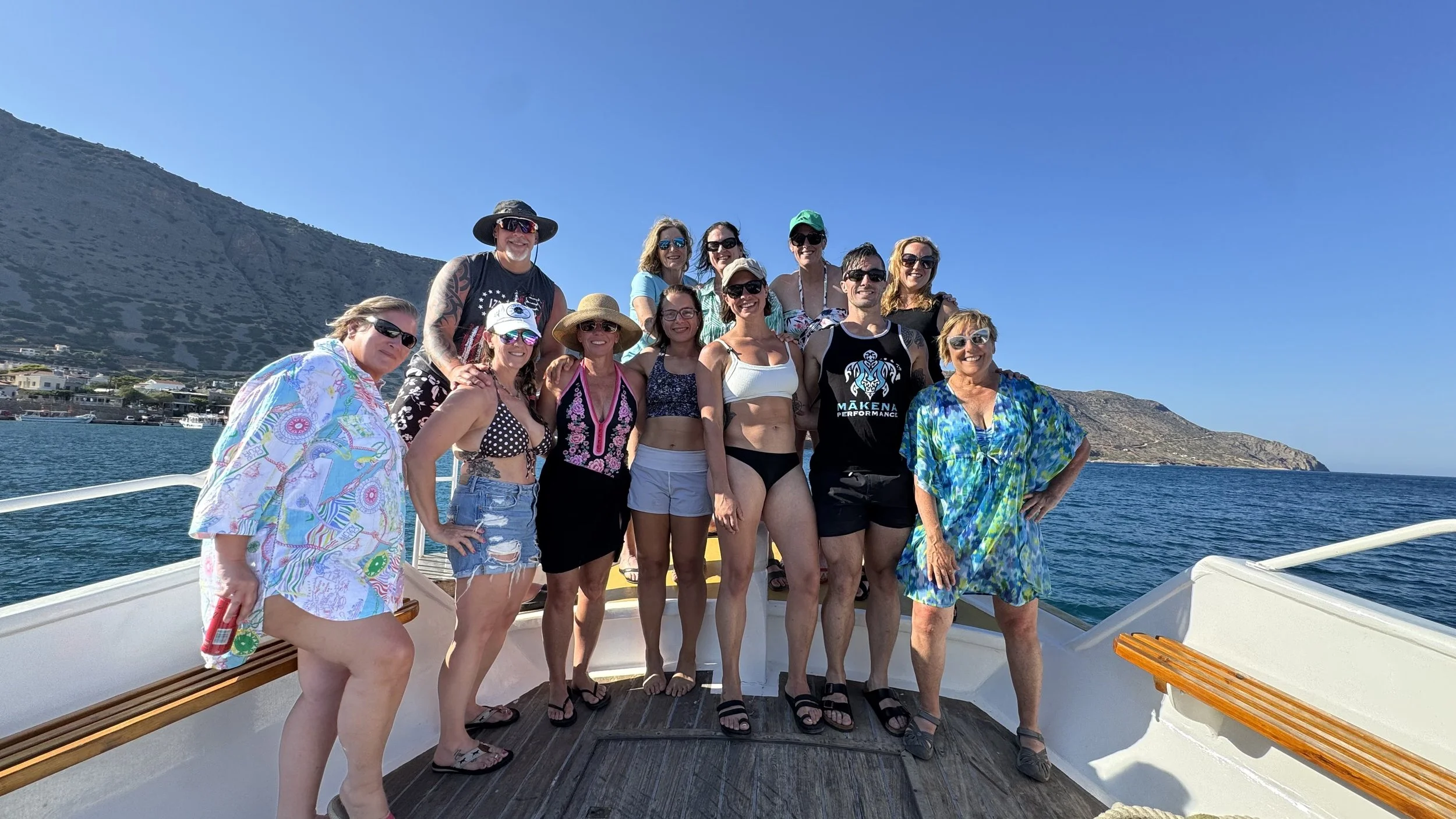
Before you do anything, think about who will be joining you for your first retreat. Having a beautiful property in a stunning location won’t fill a retreat for you – nor should you necessarily want it to.
If you’re a PT or coach, one of the biggest reasons your clients will book a retreat is you. They already enjoy training with you, they trust your expertise, and they feel part of the community you’ve created. A retreat is an opportunity to take that existing relationship somewhere completely different and give people more time together than a weekly class or training session allows.
This is why we recommend hosting your first retreat only when you have an engaged community.
That doesn’t mean you need thousands of Instagram followers or an enormous mailing list. A smaller but fully engaged audience can be far more valuable than a large number of people who rarely interact with you. We’ve seen this happen on more than one occasion; people with large followings unable to fill a retreat, whilst an independent gym owner with a small online following being able to sell out a retreat within weeks. What matters here is having enough people who know you, who already buy into what you do, and know they want to spend a week experiencing more of it.
When you have an established community, you also have the opportunity to have conversations with them before you commit to anything. For example – would they actually be interested in spending more than a class or two together? How much are they realistically willing to spend? Would they prefer a long weekend or a full week? Do they want intensive training, or do they want fitness to just be one part of a trip?
These conversations will tell you far more than assumptions based on what you think people might want, or based on social media engagement.
If you’re not quite sure whether your community is ready to commit to a retreat, we’d recommend starting a little closer to home. To gauge interest, you could organise a one-day event or bring your clients together for an activity outside their usual training environment. You’ll get an idea of who enjoys spending time together beyond the gym or studio, and whether there’s an appetite for something bigger in the future.
Ultimately, your retreat should feel like an extension of the community you’ve already created, rather than an event you’re hoping people will discover and fill for you.
2. Enough Runway to Sell It
Once you’ve decided to host a retreat, it’s natural to want to get it live and promote it as quickly as possible.
But time is one of the biggest gifts you can give yourself when organising your first retreat, and we recommend allowing at least ten months between starting the process and the retreat itself.
Asking people to join you on a retreat means asking for a significant commitment. They need to check annual leave, consider their finances, potentially arrange childcare, coordinate with partners, and think about flights. Even a long-term client who instantly loves the idea might not be in a position to book straight away.
A longer runway also gives you time to market the retreat properly rather than simply announcing it and hoping for instant sales.
With ten months of runway, you’ll have opportunities to talk about the destination and the accommodation, explain the itinerary, answer questions, share what the experience will be like, and gradually build excitement. You’ll also learn which questions repeatedly come up, which can help you improve your marketing and how you talk about the retreat.
Throughout this process, you’ll gain valuable insights into client and guest behaviours, so that you have a great amount of data for any future retreats you host. For example, you’ll learn how far in advance your community tends to book, which aspects of the trip generate the most interest, what information people need before committing, and which parts of the planning process require more attention than you expected. The second retreat becomes so much easier because you’re no longer starting from zero.
This is also why, when it’s your first retreat, having support during those months comes in incredibly helpful. At More Life Adventures, we provide onboarding calls and marketing support to help retreat leaders think about how they launch and communicate their trip.
Having a longer runway also gives your guests more flexibility financially. Rather than asking them to commit to a large payment upfront, you can offer the option of spreading the cost over several months, which can make the retreat more accessible and potentially encourage more people to book.
You know your community better than anybody, and our role is to bring the experience of what goes into turning that community into a successful retreat group.
3. A Retreat Concierge Who Takes Care of The Logistics
No matter how organised you are before your retreat, there will always be things that need managing once your guests arrive. It could be a guest’s dietary requirements that need communicating, changes to any timings on the itinerary, someone having a question about tomorrow’s activity, or something as simple as a restaurant needing to know that your group is running ten minutes late.
Individually, these are all small things, but if you’re the person responsible for dealing with each and every one of them, you can quickly find yourself spending a large part of the retreat managing logistics rather than spending time with your guests.
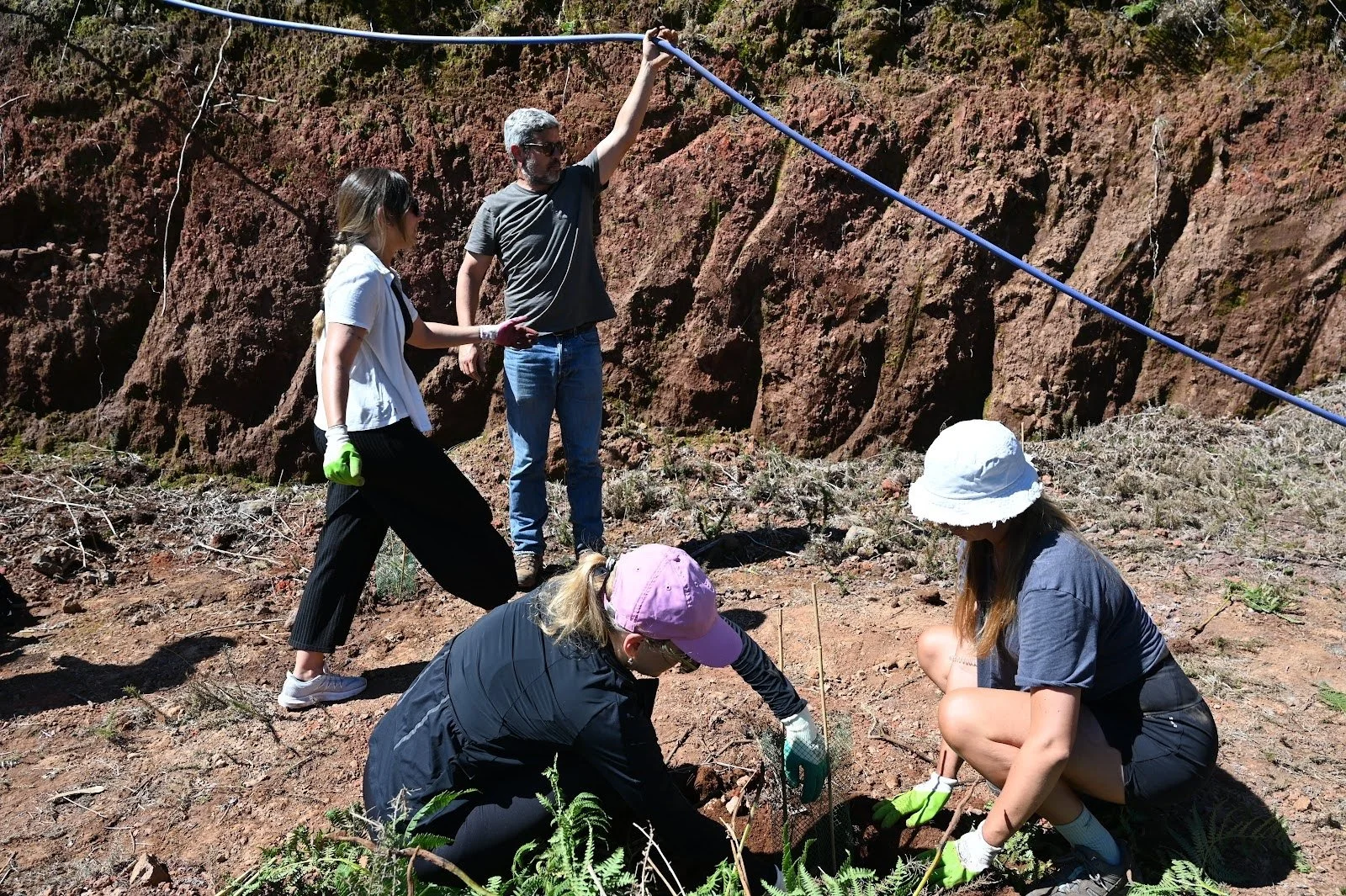
This is why we recommend looking for a retreat property or company that provides a dedicated concierge or host throughout your stay. You’re looking for someone who knows the property, the local area, your itinerary and the suppliers involved, so that if something needs changing or sorting, there is somebody there who can take care of it.
It’s also worth asking exactly what this support looks like before you book. Is there someone available throughout the retreat, or only when you check in? Is there someone who coordinates your activities and transfers once you’re there, or only assists during the booking phase? If plans need to change because of weather, does somebody help to organise the alternative?
Having this level of support is a great indication of how invested a retreat company is in your trip being a success. There’s a big difference between a property simply providing accommodation, versus working with a team that understands what goes into hosting a group for an entire week.
At More Life Adventures, every retreat has a dedicated host who knows the local area, the businesses we work with, and the people who make the community so special. Our hosts spend time getting to know the destination beyond the popular tourist spots, so they can help guests experience a totally unique week. They’re also there to manage everything happening behind the scenes, from coordinating activities and transfers to dealing with any changes that might crop up. We know how much work goes into running a retreat once everyone arrives, and we want our coaches to be able to focus entirely on their guests, rather than worrying about the logistics.
Your guests are ultimately booking because they want to spend time with you. If you’re a PT, your value is in the sessions you deliver, and the relationships you have with your clients and the community you’ve built. Your value does not lie in your ability to coordinate taxis, confirm dinner reservations or spend time online researching alternative ideas if the weather changes. Having someone else take responsibility for the day-to-day logistics means you can concentrate on being present with your group and actually enjoy the retreat alongside them.
4. An Itinerary That Just Makes Sense
Planning the itinerary is the part the majority of coaches get the most excited about. If you’re a PT, you already have an idea of what the training sessions will look like, so you want to turn your attention to all the other things you can do whilst you’re away. We know how tempting it can be to try and fit as much as possible into the week.
The important thing to remember is that a good retreat itinerary isn’t necessarily the one with the most activities, but rather when those activities have been planned in a way that fits in with the group and the overall trip.
For example, think about what your guests have done before they even arrive. Some may have been up since the early hours to catch a flight, spent several hours travelling, and are now arriving somewhere completely new and meeting other members of the group for the first time. All whilst possibly very tired, and potentially overstimulated from finishing up a busy work week before they take some time off. Scheduling one of your most physically demanding sessions that afternoon or even first thing the next morning probably isn’t going to give them the most productive introduction to the week.
Instead, we recommend thinking about how you want the retreat to build. The first day or two can give everyone time to settle in and get to know each other, before introducing more challenging activities as the week progresses. If you have a particularly demanding hike or training day planned, think about what happens either side of it. Guests might appreciate a slower morning, time at the beach, or a less physically demanding activity later that day rather than moving immediately onto the next thing.
It’s also very easy to over-plan a retreat because you want your guests to feel they’re getting plenty for their money. However, downtime is part of the experience too and is very likely what your guests are coming for. It is still a holiday for those joining, and some of the best parts of a retreat can happen during the gaps in the itinerary, whether that’s people heading to the beach together, having a long lunch or simply having a couple of hours to themselves.
For your first retreat in particular, you want to be able to focus on the experience you’ve dreamed of creating, and the sessions you want to deliver. And you ideally want someone who knows the destination well enough to advise on what realistically works. They can tell you how long it actually takes to reach a hiking route, whether two activities make sense on the same day, or how much time you need to allow between finishing an activity and arriving at dinner.
For any retreat, your itinerary should give your guests enough to feel excited about each day without leaving them needing another holiday to recover from the retreat.

5. A Destination For All The Right Reasons
When you start looking at potential locations for your retreat, it can be easy to focus primarily on the property itself. Yes the accommodation matters, but your guests are going to remember far more about the trip than the room they slept in.
The wider destination and culture should be part of the experience. Your clients can train with you at home, after all, so if they’re taking annual leave and travelling overseas with you, you want to give them experiences they couldn’t recreate at home.
This is a huge part of why we chose Plaka in Crete as the home of More Life Adventures. It gives us the combination we were looking for: the mountains, the sea, incredible Greek food, and plenty of opportunities to be active outdoors. It also has a wonderful and welcoming small community of local restaurants and businesses that allow guests to experience the area rather than spending an entire week within the confines of a resort.
When planning your own retreat, think about how the destination can become part of the itinerary think about choosing a destination you’re passionate about and that you’re excited to share with your community. There are endless beautiful hotels and incredible gyms all over the world, but what makes a retreat particularly memorable is often the connection guests develop with the destination itself. Perhaps it’s the Greek family that runs the local taverna, the people you team up with for a workout, or the stories behind the places you visit – these are the things that make a trip feel so special. When you have an innate enthusiasm for somewhere, it will naturally come through in how you talk about the retreat and the experiences you want to create for your guests.
It’s also worth considering how much you truly know about the place you’re taking people to. Having local knowledge makes it ten times easier to create an itinerary that goes beyond the obvious tourist activities. This is where working with people who are very familiar with the destination can be particularly useful; they’ll know the local businesses worth supporting, and suggest places that the guests might otherwise miss.
The property is important, of course, but above all else it should be the base from which your guests experience the destination, rather than the entire destination itself.
6. A Payment Plan That Works for You
The financial side of hosting a retreat is something that you need to understand in detail before committing to anything. It might not be the most exciting part of the planning process, but it’s essential that you know what costs you are responsible for.
Different retreat providers will have very different payment terms. Some properties require a substantial deposit to secure the dates and rooms, which can mean putting down a significant amount of your own money before you’ve even sold a single place. For an established retreat leader who knows exactly how quickly their trips sell, that may be manageable, but for your first retreat it can create a lot of unnecessary stress and pressure.
Before agreeing to anything, make sure you know exactly what you’re committing to financially. How much do you need to pay upfront? When is the remaining balance due? What happens if you don’t sell every room? What are the cancellation terms? And perhaps most importantly, do the dates you need to pay the retreat company line up with when your guests will be paying you?
This circles back to why the runway we mentioned earlier is so important. Ideally, you want enough time to introduce the retreat to your community, answer their questions and allow people to pay across a timeframe that works for them, without having hefty payments looming before you’ve had a realistic opportunity to sell the places.
At More Life Adventures, this is something we’ve deliberately considered when creating our model for retreat leaders. We know that taking on a large financial commitment can be one of the biggest barriers to hosting your first retreat, so our payment structure is designed to reduce the amount of financial risk you need to take on personally.
When you’re looking at where to host your retreat, it’s essential to compare payment terms alongside all the more exciting pieces. A stellar property and itinerary are important, but they’re going to be considerably harder to enjoy if you’ve spent months worrying about whether you’ll sell enough places to cover a large deposit.
One tip we’d recommend for first-time retreat leaders is to ask whether the property can offer a soft hold on your preferred dates. Some properties may be willing to hold dates for two weeks, or potentially up to four weeks during quieter periods, without requiring an immediate deposit. This gives you time to announce the retreat to your community, gauge interest and hopefully secure your first guest bookings before committing financially.
It’s important to understand how the hold works, as the property may still accept enquiries for those dates. If another group expresses interest, you’ll usually be given the opportunity to confirm your booking by paying the deposit or release the dates. As a general guide, if you’ve secured around 30% of your bookings during that initial period, you’ll have a much better indication of whether there’s enough demand to move forward.
Your first retreat should give you the opportunity to build something new for your community without feeling as though you’ve taken an enormous financial risk to make it happen. And while securing the right payment terms with your retreat provider is important, how you structure deposits for your own guests can make a big difference too. We’ll be exploring that in more detail in an upcoming article.

Remember: You Are Not a Travel Company
If there’s one thing we want you to take away from these six points, it’s that hosting a retreat and organising each and every element doesn’t need to be the same job.
As a PT, coach or community leader, you already have arguably the most important part because you have a group of people who trust you and want to invest more in spending time with you. These relationships are the reason people will choose to join your retreat in the first place.
What you might not have is experience negotiating with properties, organising transfers, finding reliable local suppliers, booking activities for a large group, managing room allocations, or knowing how much time to leave between a morning hike and an evening dinner reservation. And you shouldn’t necessarily need to learn how to do all of those things just because you want to host your first retreat.
This is where choosing the right retreat partner can make as much difference to your experience as it does to your guests’. You want someone who can help you turn the idea you have for your retreat into something that realistically works, and someone who can take responsibility for the parts that sit outside your expertise.
At More Life Adventures, we support you from the early planning stages through to the retreat itself. We can help you shape an itinerary, support you as you launch and market the trip to your community, and take care of the logistics on the ground once everyone arrives. You can concentrate on the sessions you want to deliver and have the time to just be present with your clients and guests.
Remember, your guests aren’t travelling with you because they want to see how good you are at coordinating all the logistics of their trip. They’re coming because they trust what you do, and want the opportunity to experience more of it somewhere completely different.
Ready to Take Your Community Somewhere New?
If you’ve already built a community that you’d love to take away, we can help you turn the idea into your first retreat. From planning the itinerary and supporting you with the launch to managing the logistics once you arrive, we’ll take care of the details so you can focus on your guests and a ten out of ten experience.
Talk to us about hosting your first retreat.
Want More Articles Like This?
Sign up and be the first to receive news and updates!
